Ford Fiesta Mk7 1.5 TDCi 75bhp — 12V Battery Degradation and Failure
Lead-acid and AGM batteries have a finite lifespan. Modern cars are highly sensitive to voltage drops, causing bizarre electrical faults before the battery completely dies.
Severity
MinorDIY Difficulty
Easy
Est. Cost
£80–£250
OBD Codes
None
Electrics
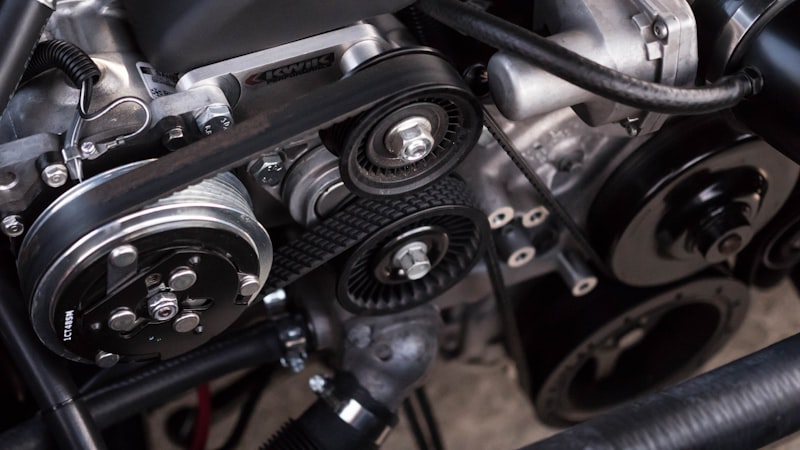
Typical layout and location for the Electrics assembly.
Symptoms
- Stop/Start system stops working entirely
- Random, unrelated warning lights flashing on cold mornings
- Sluggish engine cranking
- Need for frequent jump starts
Root Cause
Sulfation on the lead plates reduces the battery's capacity to hold a charge. Short journeys prevent the alternator from fully recharging the battery.
How To Fix
- Test battery health (CCA - Cold Cranking Amps) with a digital tester.
- If health is below 60%, replace the battery.
- Note: Many modern cars require the new battery to be 'coded' to the ECU using a diagnostic tool.
- Cost: £80-250 (AGM batteries are more expensive).
Estimated Repair Costs
| Repair Option | Est. Cost (GBP) |
|---|---|
| DIY (parts only) | £32–£100 |
| Independent Garage | £80–£250 |
| Main Dealership | £128–£400 |
Other Faults on This Variant
DPF Blockage and Regeneration Failure
ModerateThe 1.5 TDCi diesel Fiesta is commonly used for short urban trips — exactly the wrong usage for a DPF-equipped car. Blocked DPF is the number one complaint.
EGR Valve Failure and Intake Carbonisation
ModerateEGR failure on the 1.5 TDCi Fiesta is a common companion to DPF issues. Carbon deposits block the valve and intake manifold, causing power loss and rough running.
Diesel Injector Failure and Rough Running
SevereCommon rail injectors on the 1.5 TDCi can fail, causing misfires, excessive smoke and hard starting. Injector failure can also result in diesel washing the cylinder walls, accelerating engine wear.
Disclaimer: Repair cost estimates are indicative and based on community data. Always get a quote from a qualified mechanic before proceeding with any repair.