Ford Transit Transit Custom 2.0 TDCi 130bhp — Turbocharger Variable Vane Sticking
The VNT turbocharger on the 2.0 TDCi Transit Custom develops sticky variable vanes from carbon build-up, causing power loss and limp mode.
Severity
SevereDIY Difficulty
Hard
Est. Cost
£200–£1000
OBD Codes
P0299P0234Turbo
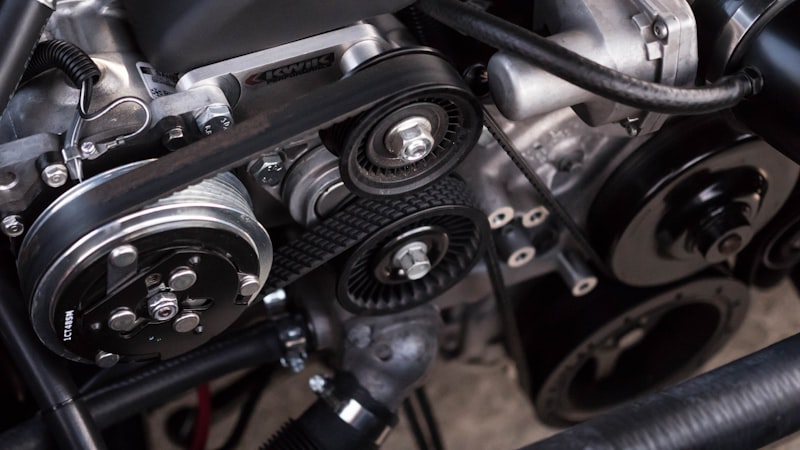
Typical layout and location for the Turbo assembly.
Symptoms
- Sluggish acceleration above 2,000 RPM
- Limp mode activation
- P0299 underboost or P0234 overboost
- Smoke under load
Root Cause
Variable vane turbochargers use movable vanes to control boost. Carbon and soot from urban use causes the vanes to stick, preventing proper boost control.
How To Fix
- Remove turbo and clean vanes with carb cleaner and fine brush
- Actuate vanes manually to check for free movement
- Replacement if vanes are corroded: remanufactured unit £400-700
- Fitted: £600-1,000
Estimated Repair Costs
| Repair Option | Est. Cost (GBP) |
|---|---|
| DIY (parts only) | £80–£400 |
| Independent Garage | £200–£1000 |
| Main Dealership | £320–£1600 |
Other Faults on This Variant
DPF Blockage from Idling and Short Trips
ModerateFleet Transit Customs spend long periods idling at low speed — the worst possible operating profile for a DPF. Blockage is the number one reported fault across UK fleets.
EGR Valve and Cooler Failure
ModerateEGR failure on the Transit Custom 2.0 TDCi is extremely common in fleet use. The valve carbons up rapidly in stop-start environments.
Dual Mass Flywheel Failure
ModerateThe Transit Custom carries loads and covers high mileages — both conditions that accelerate DMF wear. A shuddering, rattling van at idle is the typical presentation.
Disclaimer: Repair cost estimates are indicative and based on community data. Always get a quote from a qualified mechanic before proceeding with any repair.